
CJRT Scholars
Collaborative Justice-Involved Research and Training Program on Substance Use and HIV at Brown University Health
2025 Cohort

Tasfia Jahangir, MPH

Tasfia Jahangir, MPH, is a PhD student in Behavioral, Social, and Health Education Sciences (BSHES) at Emory University Rollins School of Public Health. Her research focuses on structural interventions to address material deprivation and its public health consequences. This includes examining communities that are over-criminalized and under-resourced by design. Most of her work to date has focused on mental health, substance use, and violence exposure as health outcomes of interest. In current projects, she studies how these outcomes are shaped by social policies (e.g., welfare reform) and economic conditions (e.g., COVID-era changes in the street drug market). Where possible, she pairs natural or quasi-experimental methods with community-engaged, qualitative approaches to explain social processes.

Catherine Paquette, PhD
Catherine Paquette, PhD, is an Associate in Research with the Bellwether Collaborative for Health Justice. She completed her PhD in Clinical Psychology from the University of North Carolina at Chapel Hill. Her research focuses on harm reduction interventions for physical and mental health among people who use criminalized drugs, including those affected by the criminal legal system. Dr. Paquette has over a decade of research and clinical experience in the fields of harm reduction and substance use disorder treatment. She previously managed harm reduction programs at a nonprofit organization in Washington, D.C, and she has both conducted research and provided clinical services for people with substance use problems in multiple hospital settings, addiction treatment centers, at the VA, and with community-based syringe services programs. Her recent work includes developing and empirically evaluating a harm reduction-focused behavioral teletherapy intervention for people who inject drugs.

Stephanie Creasy, MPH
Stephanie Creasy, MPH, is a PhD candidate and project director at the University of Pittsburgh School of Public Health in the Department of Behavioral and Community Health Sciences. Stephanie’s research broadly focuses on promoting health equity for people impacted by the criminal legal system, including sexual and gender minoritized adults and people who use drugs, using harm reduction and abolition frameworks. Her research has a particular focus on community collaboration and building community partnerships to reduce health inequities, as well as community-based participatory research methods. Her dissertation research is investigating
gender affirmation in post-release health interventions and co-adapting an intervention to improve HIV and substance use outcomes for transgender and nonbinary adults post-incarceration.

Emily Lupez, MD, MSc, MPH
Emily Lupton Lupez, MD, MSc, MPH, is a primary care doctor and health services researcher at Boston Medical Center and Boston University Chobanian & Avedisian School of Medicine. Dr. Lupez’s research focuses on access to care for marginalized populations, particularly criminal legal-involved populations. She is particularly interested in using implementation science to improve access to evidence-based preventative care, such as cancer screening, to those currently experiencing incarceration. Her current work is focused on understanding colorectal cancer screening practices in prison, identifying determinants of screening, and using implementation mapping to design strategies to improve implementation of evidence-based screening in prison. She is also interested in access to care for sexual and gender minority populations, particularly those with criminal legal involvement.

Jennifer Wyatt Bourgeois, PhD
Jennifer Wyatt Bourgeois, PhD, is a Postdoctoral Research Fellow at the Center for Justice Research at Texas Southern University. Dr. Bourgeois’ research examines inequities within the criminal justice system, prosecutorial decision-making, and the intersection of public health and criminal justice. She is particularly passionate about exploring research-driven interventions to mitigate the risk factors associated with substance use, communicable and chronic diseases, and related comorbidities among justice-impacted populations. Her current projects focus on vicarious trauma among violence interrupters, maternal and infant health disparities, and the long-term health and social consequences of incarceration for families and communities. Her work is grounded in a commitment to translating research into actionable strategies that improve outcomes and advance health equity.

Vidya Eswaran, MD
Vidya Eswaran, MD, MAS, is an Assistant Professor of Emergency Medicine at the Washington University in St. Louis School of Medicine. As a physician and health services researcher, Dr. Eswaran’ research interests lie in improving outcomes for communities impacted by mass incarceration. She hopes to create Emergency Department-based and Emergency Department-adjacent interventions to address patients’ medical and psychosocial needs and believes strongly in community engagement throughout the research process. Dr. Eswaran received her bachelor’s degree in biology from the Massachusetts Institute of Technology and her medical degree from Baylor College of Medicine in Houston, TX. She completed residency in Emergency Medicine at Northwestern University and subsequently was selected for the National Clinical Scholars Program at the University of California, San Francisco where she received a master’s degree in clinical research. In addition to her research-related efforts, Dr. Eswaran works clinically as an emergency medicine attending physician in St. Louis, Missouri.
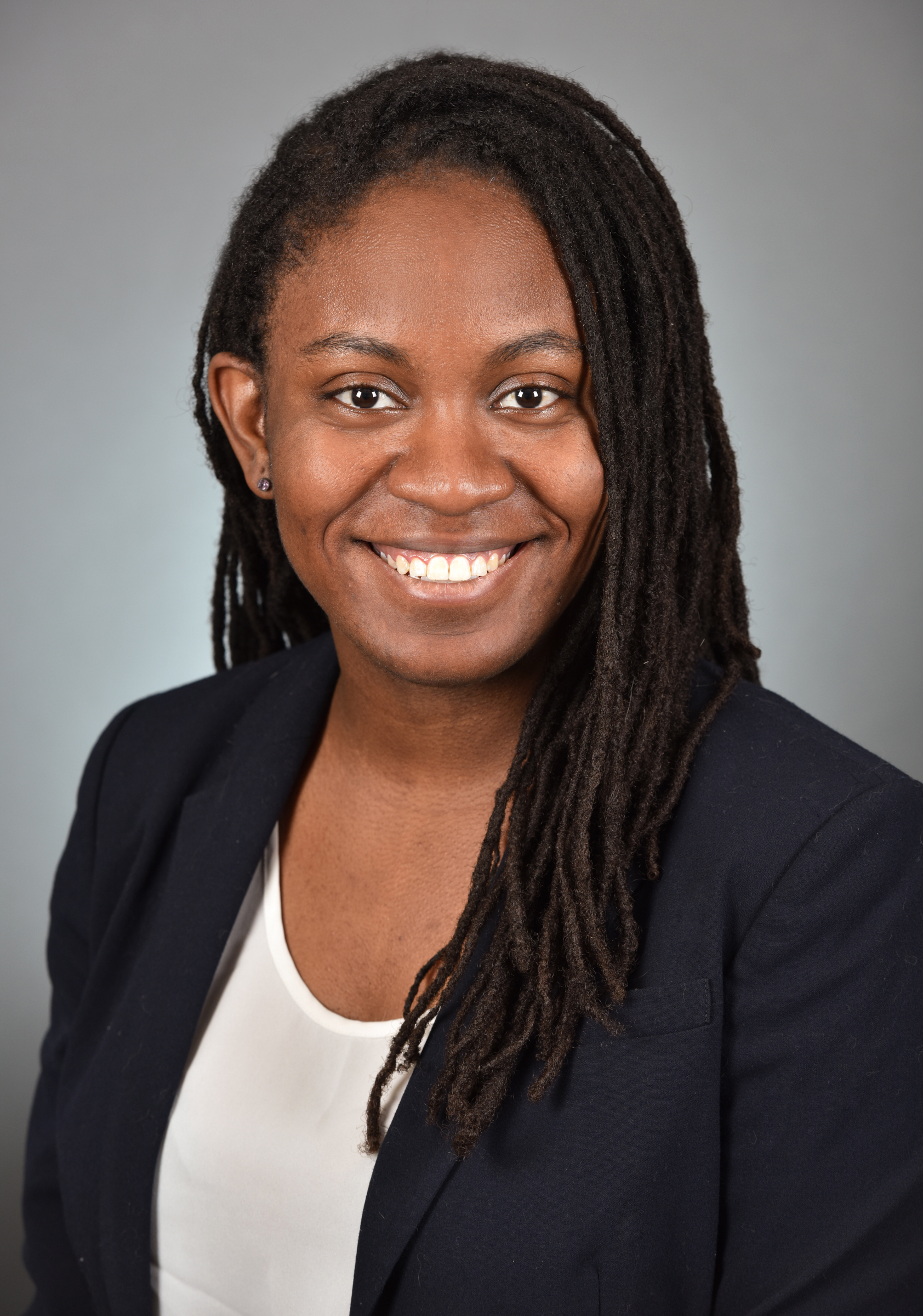
Destiny Tolliver, MD
Dr. Destiny Tolliver, MD, is a pediatrician and health services researcher at Boston University Chobanian & Avedisian School of Medicine and Boston Medical Center. She attended Yale University as an undergraduate before earning her MD from the Morehouse School of Medicine. She then completed residency in the Boston Combined Residency Program in Pediatrics at the Boston Medical Center and Boston Children’s Hospital. After chief residency, she completed the National Clinician Scholars Program at Yale School of Medicine. Dr. Tolliver then returned to Boston as an Assistant Professor of Pediatrics. Her research focuses on addressing the health impacts of children and families impacted by criminal legal system involvement.
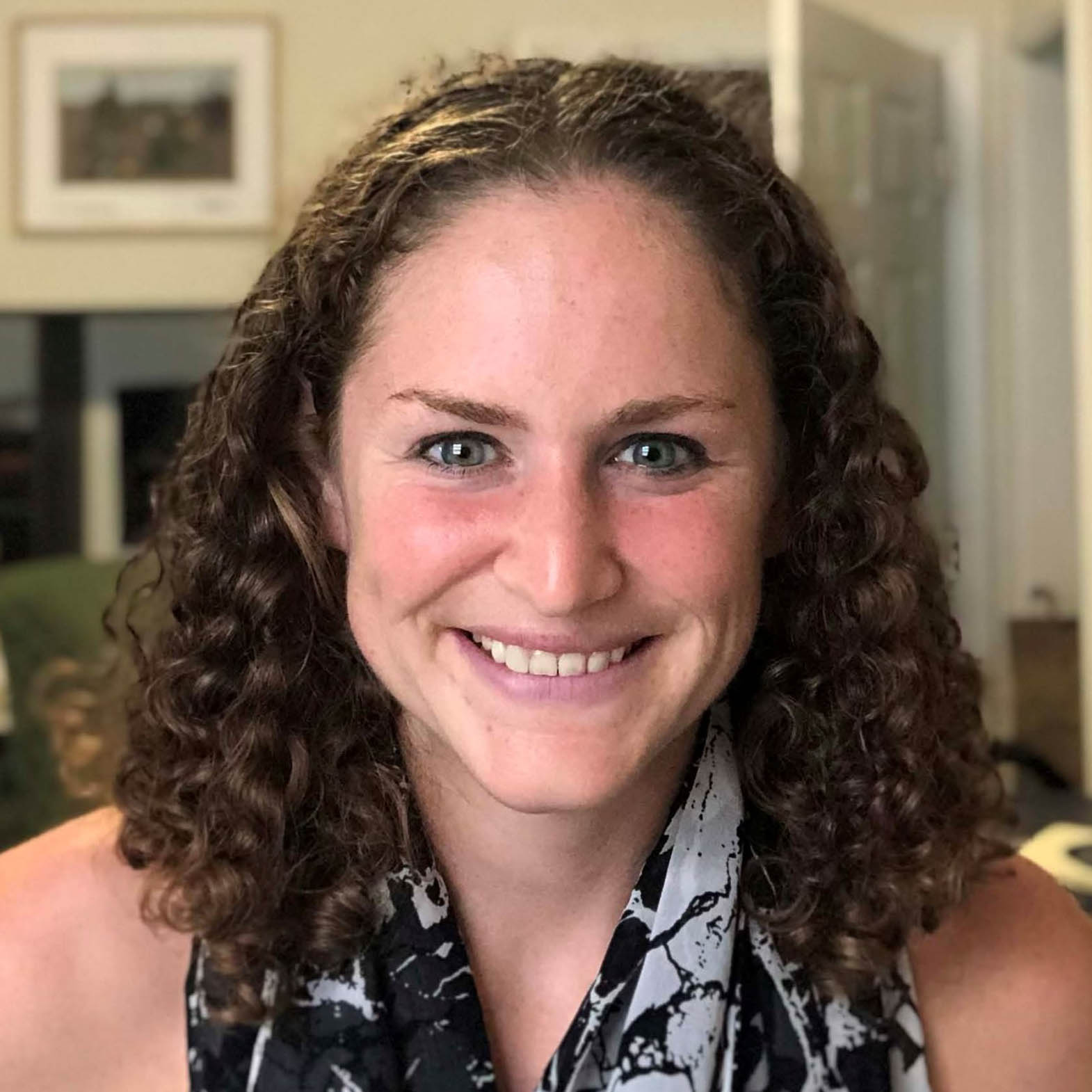
Ruth Shefner, PhD, MPH, MSW
Ruth Shefner, PhD, MPH, MSW is an incoming assistant professor of public health in the College of Population Health at Thomas Jefferson University. She received her PhD in Sociomedical Sciences from Columbia University’s Mailman School of Public Health, and her Master of Public Health and Master of Social Work from the University of Pennsylvania. Her research focuses on identifying and addressing the public health harms of criminalization along the criminal legal system continuum. She has specific interests in evaluating harm reduction policing initiatives and examining criminal laws as structural determinants of health. Her work is informed by her prior experiences as a social worker directing a reentry program that supported individuals pre- and post-release from Philadelphia’s county jail system.
2024 Cohort
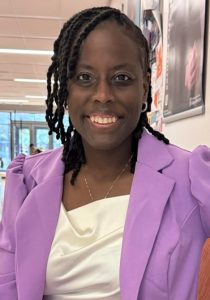
Faith Deckard, PhD
Faith Deckard, PhD, is an incoming Assistant Professor of Sociology at the University of California—Los Angeles. Her research uses qualitative and quantitative methods to examine how marginalized groups experience, navigate, and respond to social control institutions. Her current work spotlights commercial bail, seeking to reveal how the practice entangles families in a complicated economic and social system of obligation, debt, and punishment. During her time in the Collaborative Justice-Involved Research and Training Program on Substance Use and HIV at Brown University Health, she will explore the relationship between monetary sanctions—fines and fees that people entangled within the criminal legal system must pay to become completely free—and health and health behaviors.

Julie Cristello, PhD
Julie V. Cristello, PhD, is a Postdoctoral Research Fellow at the Center for Alcohol and Addiction Studies at Brown University. Dr. Cristello graduated with her PhD in Clinical Science in Child and Adolescent Psychology from Florida International University. Her graduate research, which focused on the ways in which social contexts online (e.g., social media) and offline (e.g., parents, peers) impact alcohol and drug use among adolescents, was funded by the National Institute on Drug Abuse (NIDA) and the Academy of Psychological Clinical Science. The ultimate goal of her work is to identify the most effective ways to deliver substance use services to underserved youth as a way to prevent juvenile legal involvement.
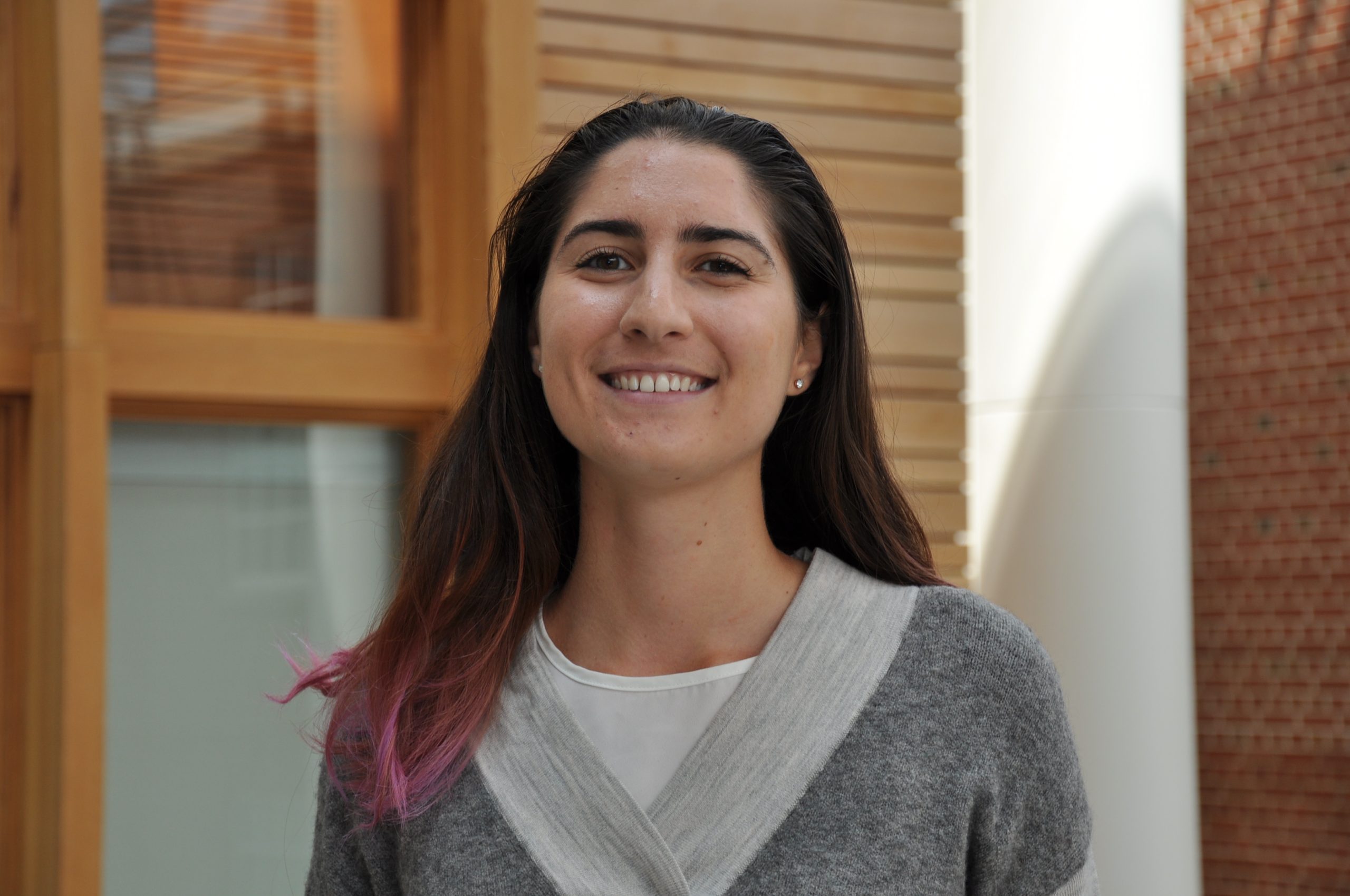
Molly Remch, MPH
Molly Remch, MPH, is a PhD student in the Department of Epidemiology at the University of North Carolina at Chapel Hill. She works as a graduate research assistant at the UNC Injury Prevention Research Center. Her research focuses on the health effects of policing and incarceration. Her work leverages existing observational data and uses causal inference methods. Recent research, funded by an Overdose Data to Action contract, has evaluated novel alternatives to solitary confinement introduced in North Carolina prisons. Her dissertation research is investigating the effects of incarceration length and visitation on post-release outcomes.

John Moore, PhD
Dr. John Moore, PhD, is an Assistant Professor in the College of Social Work at Florida State University. His research aims to identify and integrate the most critical determinants of substance use behavior change into interventions to promote the recovery and well-being of those impacted by substance misuse. He is particularly interested in identifying these determinants among persons with comorbid serious mental illness and persons with criminal justice involvement. His current research also focuses on identifying and promoting factors associated with engagement in healthy behaviors and healthcare utilization among persons experiencing substance misuse.
2023 Cohort

Leah Harvey, MD, MPH
Leah Harvey, MD, MPH, is an Assistant Professor in the Division of Infectious Diseases at the Warren Alpert School of Medicine at Brown University and specializes in infectious diseases and addiction medicine. She completed her internal medicine residency and fellowships in infectious diseases and addiction medicine at Boston Medical Center. Dr. Harvey’s research is focused on the prevention and treatment of the infectious complications of substance use, especially HIV and Hepatitis C, and on optimizing harm reduction strategies and adapting care delivery models for marginalized communities to address health disparities and improve retention in care.

Sara Levintow, PhD
Sara Levintow, PhD, is an Assistant Professor of Epidemiology at the University of North Carolina at Chapel Hill. She studies infectious disease dynamics in vulnerable populations, including those with mental health conditions, drug use, and involvement with the criminal legal system. Her research focuses on HIV and SARS-CoV-2. In those disease areas, she uses mathematical modeling and causal inference methods to improve understanding of the behavioral and biological determinants of transmission and to inform public health efforts that reduce morbidity and mortality. She is currently supported by a NIAID career development award (K01) to study SARS-CoV-2 transmission dynamics in North Carolina jails and evaluate the effects of interventions on COVID-19 disease burden.
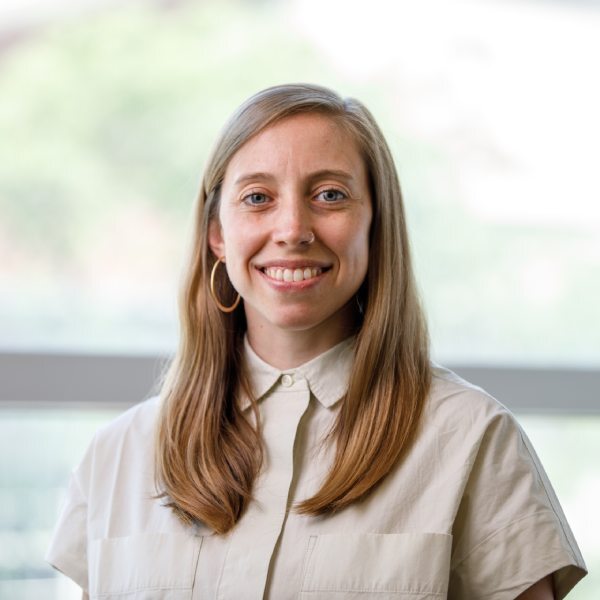
Alexandra (Alex) Collins, PhD
Alexandra (Alex) Collins, PhD, is an Assistant Professor in the Department of Community Health at Tufts University. Her community-engaged qualitative and ethnographic research examines social-structural and environmental drivers of adverse health and social outcomes among people who use drugs, particularly at the intersection of housing instability. Currently, her research is focused on evaluating overdose-related public health interventions, increasing access to HIV prevention and treatment services for people who use drugs, and examining how changes in local drug supplies impact drug use practices.

Erin Eife, PhD
Erin Eife, PhD, is an Assistant Professor of Criminology, Law, and Society at George Mason University. Before her time at Mason, Erin was an NSF Postdoctoral Research Fellow at Brown University’s Watson Institute for International and Public Affairs. She holds a PhD in Sociology from the University of Illinois at Chicago, and her research is situated at the intersection of the criminal legal system and citizenship rights. She is primarily interested in how the criminal legal system acts as a stratifying mechanism for citizenship rights in the United States. Currently, her work considers the pretrial stage, the punishing role of surveillance, and the absence of the presumption of innocence. With the CJRT, she is exploring the impact that pretrial surveillance has on health outcomes and analyzing the understudied, yet increasingly important, function of surveillance as a social determinant of health.

Tasha Perdue, PhD, MSW
Tasha Perdue, PhD, MSW, is an Assistant Professor in the John Glenn College of Public Affairs and Affiliated Faculty in the Drug Enforcement and Policy Center in the Moritz College of Law at the Ohio State University. Her mixed methods research combining perspectives of people who use drugs with criminal legal system stakeholders lies at the intersection of drug policy, the criminal legal system, and public health. Her first line of research investigates the role of stigma on officer-involved overdose response and the implementation of Ohio’s Good Samaritan Law. She is also the Co-PI on a National Institute of Justice funded mixed methods study examining racial disparities in drug sentencing and admittance to drug court. An emerging line of research seeks to understand and identify intervention points for overdose prevention in the criminal legal system with an interest in examining stigma toward medications for opioid use disorder within correctional facilities.

Megan S. Irgens, PhD
Megan S. Irgens, PhD, is a postdoctoral fellow in the Clinical Psychology Training Program at the University of California San Francisco. She received her PhD in psychology from the University of Arizona in 2023. Her research focuses on psychosocial maturity, substance use, and implementing and optimizing evidence-based behavioral health interventions for youth involved in the legal system.
2022 Cohort

Sarah Brothers, PhD
Sarah Brothers, PhD, is an assistant professor of Sociology and Public Policy at Pennsylvania State University. She uses qualitative methods including in-depth interviews, ethnographic observations, surveys, Community Engaged Research (CER), and Community Driven Research (CDR) to examine how vulnerable groups experience and respond to health-related issues. Her research areas include methadone treatment, issues facing youth experiencing homelessness, food insecurity, patient perspectives on HIV and hepatitis C (HCV) treatment, overdose responses, injection drug use practices, and ethical implications of CER approaches. Her work has won multiple awards and been supported by the National Science Foundation, the Mellon/ACLS Foundation, and others. She holds a PhD in sociology from Yale University and a BA in sociology from the University of California Berkeley.

Ryan E. Flinn, PhD
Ryan E. Flinn, PhD, is an Assistant Professor of Counseling Psychology at the University of North Dakota. Ryan’s work is focused on substance misuse, trauma, HIV transmission, and justice involvement, especially among sexual and gender minorities, people of color, and people living in poverty.

Louisa Holaday, MD, MHS
Louisa Holaday, MD, MHS, is a primary care physician and community-partnered health services researcher. Dr. Holaday is an Assistant Professor in the Division of General Internal Medicine at Mount Sinai and affiliate faculty at the SEICHE Center for Health and Justice at Yale University. She was born and raised in New York City, and her research focus is on the effects of neighborhood and community on health, with a particular interest in the population-level spillover effects of mass incarceration, including community- and policy-level interventions. After undergraduate work in the social sciences focused on cities and suburbs and intergroup relations, she attended medical school at the University of Michigan, residency and chief residency at the Social Internal Medicine program at Montefiore in the Bronx, and the National Clinician Scholars Program at Yale University.

Helen Jack, MD
Helen Jack, MD, is an Assistant Professor in the Division of General Internal Medicine at University of Washington. Her research focuses on the implementation of mental health and addiction treatment in low-resource primary care settings. She is currently supported by a NIMH early career development award (K23) to study the implementation of depression treatment in primary care in Zimbabwe, work that builds on 10 years of mental health research and research capacity building she did there during medical training. A primary care physician, Dr. Jack practices in a rural state prison in Washington and is currently leading research on substance use treatment and HIV prevention in Washington prisons, supported by the NIH’s Ending the HIV Epidemic initiative. Dr. Jack graduated from Harvard Medical School and received a second BA in Philosophy, Politics, and Economics from Oxford University as a Rhodes Scholar.

Alexandria “Alex” Macmadu, PhD
Alexandria “Alex” Macmadu, PhD, (she/her) is an Assistant Professor in the Department of Epidemiology, and she is a member of the People, Place and Health Collective (PPHC) at Brown University. Dr. Macmadu is a substance use epidemiologist and harm reduction researcher, and her program of research (1) examines the social determinants of drug use and overdose; (2) investigates evidence-based approaches to mitigate drug-related harms; and (3) advances justice and health equity in marginalized subgroups, including BIPOC communities, people who use drugs, and persons affected by the criminal legal system. To date, Dr. Macmadu has authored or co-authored over 40 peer-reviewed publications and one book chapter.

Suzan Walters, PhD
Dr. Suzan Walters, PhD, is an Assistant Professor in the Department of Population Health at Grossman School of Medicine and faculty at the Center for Opioid Epidemiology and Policy. She is also an Investigator at the Center for Drug Use and HIV/HCV Research, a Visiting Professor at the Center for AIDS Prevention Studies at the University of San Francisco, and a Lifespan/Brown Criminal Justice Scholar. Her research focuses on the social and structural determinants of health among populations who use drugs. She uses mixed-methods and community based participatory research methods. She is PI of a K01 grant focusing on intersectional stigma experiences pre-exposure prophylaxis (PrEP) care continuum engagement among people who inject drugs in California and Colorado. She is also PI of two PhotoVoice projects exploring barriers and facilitators to overdose prevention center use in New York City. Her work is applied and aims to inform HIV prevention, overdose, and stigma reduction interventions.
2021 Cohort

Sugy Choi, PhD
Sugy Choi, PhD, is an Assistant Professor in the Department of Population Health at New York University Grossman School of Medicine (NYU SOM). She is also part of the Health Evaluation and Analytics Lab (HEAL) which is a joint venture between NYU SOM and Wagner School of Public Policy. She received her PhD in Health Services Research from Boston University School of Public Health in 2021. Sugy is interested in conducting evaluations of state and federal health policies and programs, with a focus on improving access to treatment services for vulnerable populations including individuals with Medicaid, substance use disorder (SUD), and criminal justice involvement. Her dissertation identified multilevel facilitators and barriers to addiction treatment services, including criminalization of substance use during pregnancy for pregnant and parenting women.

Katherine LeMasters, PhD
Katherine LeMasters, PhD, is an Assistant Professor in the Division of General Internal Medicine in the Department of Medicine at the University of Colorado Anschutz Medical Campus. She has a secondary appointment in the Department of Epidemiology and is affiliate faculty at the University of Colorado Population Center. Trained as a social epidemiologist and community-engaged researcher, she studies the intersection of mass incarceration and health equity at the individual and community levels. Her current work focuses on how the felonization of fentanyl affects criminal legal involvement, substance use, and overdose; conditions of confinement such as solitary confinement and extreme heat; and how local jail incarceration and probation affects risk of overdose and suicide.

Kaitlin Piper, PhD, MPH
Kaitlin Piper, PhD, MPH, is an Assistant Professor at Emory University Rollins School of Public Health. Her NIH-funded research portfolio focuses on improving behavioral health service delivery for families and youth involved in the juvenile justice system. As an implementation scientist, her methodological interests include systems transformation, community-driven research, and developing and evaluating structural interventions to improve behavioral health outcomes for justice-involved youth.

Milan Satcher, MD, MPH
Milan Satcher, MD, MPH, is a T32 postdoctoral research fellow in the Department of Community and Family Medicine at Dartmouth-Hitchcock Medical Center. She is a board-certified Family Medicine physician with additional fellowship training in Emergency Medicine. Her research focuses on mitigating opioid-related health disparities among families affected by mass criminalization, with a particular interest in developing technology-supported biopsychosocial strategies to optimize addiction and primary care transitions.

Kaitlin M. Sheerin, PhD
Dr. Sheerin, PhD, is an Assistant Professor on the Research Scholars Track at the Brown University Warren Alpert Medical School and a Research Scientist with the Rhode Island Hospital Department of Child and Adolescent Psychiatry. She also serves as a consulting psychologist to the Rhode Island Family Court. Her NIH-funded program of clinical research focuses on (a) developing, adapting, and evaluating behavioral health intervention and assessment approaches for youth involved in the juvenile legal system and (b) promoting equitable access to quality behavioral healthcare for these system-involved youth.
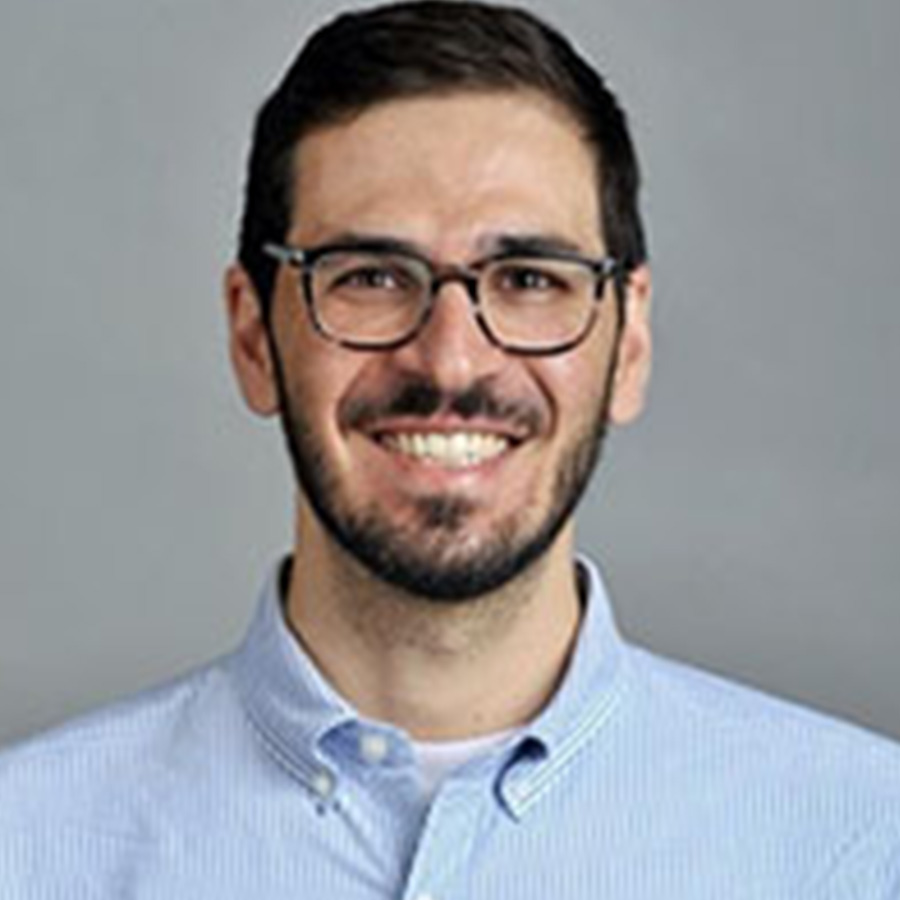
Daniel Teixeira da Silva, MD, MSHP
Daniel Teixeira da Silva, MD, MSHP, is the Medical Director at the Division of Substance Use Prevention and Harm Reduction at the Philadelphia Department of Public Health. He is trained in pediatrics and internal medicine and completed the National Clinician Scholar Program at the University of Pennsylvania in 2022. His work focuses on increasing the uptake of evidence-based practices in correctional settings, improving post-incarceration health outcomes, and addressing gaps in health services and health policy that reinforce health inequity.
2020 Cohort

Justin Berk, MD, MPH, MBA
Justin Berk, MD, MPH, MBA, is an Assistant Professor in the Departments of Medicine and Pediatrics at the Warren Alpert School of Medicine at Brown University and is a physician certified in Internal Medicine, Pediatrics, and Addiction Medicine. He is the former Medical Director for the Rhode Island Department of Corrections. Dr. Berk‘s research interests focus on increasing access to evidence-based medications for opioid use disorder in the community, in correctional settings, and upon community re-entry.

Ben Bovell-Ammon, MD, MPH
Ben Bovell-Ammon, MD, MPH, is an Assistant Professor in the Departments of Medicine and Healthcare Delivery and Population Sciences at UMass Chan Medical School–Baystate. As a physician certified in Internal Medicine and Preventive Medicine, he practices primary care and addiction medicine at the Hampden County jail and a community health center. As a researcher, he studies healthcare delivery models and the policies that support them, such as Medicaid, to improve outcomes for individuals involved with the criminal legal system and returning from incarceration. He received his medical degree from the University of Texas Southwestern Medical School and MPH from the Harvard T.H. Chan School of Public Health.

Jennifer James, PhD, MSW
Jennifer James, PhD, MSW, is an Assistant Professor in the Institute for Health and Aging at UCSF. She is a sociologist and black feminist scholar whose research lies at the intersection of race, gender and health. Dr. James is a qualitative researcher committed to learning about the lived experiences of those often left at the margins of research. Her research is informed by her background in social work and policy. Her research interests include a focus on the way the corrections system intersects with the health care system and how health inequalities may be produced and reproduced for women facing serious and chronic illnesses.

Utsha Khatri, MD
Utsha Khatri, MD, is an Assistant Professor of Emergency Medicine and Population Health and Policy and research faculty at the Institute for Health Equity Research at the Icahn School of Medicine at Mount Sinai. As a physician and health services researcher, Dr. Khatri is interested in improving access, outcomes, and equity with regard to the health and health care of structurally marginalized populations. Her ongoing projects focus on the health care of individuals and communities affected by mass incarceration and those affected by substance use disorders. Dr. Khatri received her medical degree from the George Washington School of Medicine and Health Sciences. She completed residency in Emergency Medicine at the University of Pennsylvania. Following residency, she was selected for the National Clinician Scholars Program fellowship and received a master’s degree in Health Policy Research, also at the University of Pennsylvania. In addition to her appointment as research faculty, Dr. Khatri practices clinically as an attending physician at Mount Sinai Hospital, an academic medical center, and at Elmhurst Hospital Center, a public hospital, in New York City.

Crosby Modrowski, PhD
Crosby A. Modrowski, PhD, is an Assistant Professor (Research) at the Brown University Warren Alpert Medical School and Staff Psychologist with Rhode Island Hospital Department of Child and Adolescent Psychiatry and Bradley/Hasbro Children’s Research Center. Dr. Modrowski serves as the Director of the Court Improvement Project and consulting psychologist at the Rhode Island Family Court, and also serves as a consulting psychologist at the Rhode Island Training School. Dr. Modrowski’s program of research focuses on examining the sequelae of trauma and maltreatment exposure in youth involved in the juvenile justice system. She is particularly interested in investigating risk and protective factors associated with crossing over from child welfare to juvenile justice system involvement. She is currently interested in better understanding how substance use is associated with the likelihood of dual-system involvement. Dr. Modrowski’s clinical interests involve adolescent mental health, with a specific focus on at-risk populations, including justice-involved adolescents and adolescents with co-occurring mental health and substance use disorders.
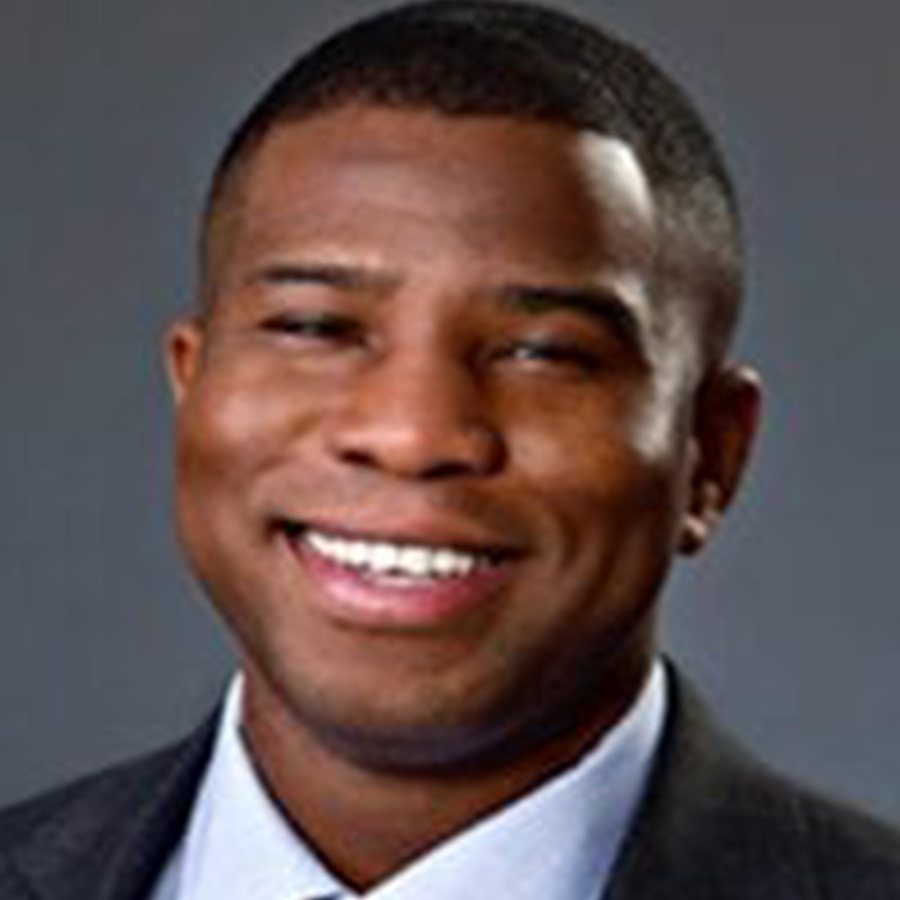
Jordan White, DrPH
Jordan White, DrPH, is an Assistant Professor of Social Work at Morgan State University. His research centers on understanding health disparities such as HIV, mental health, and correctional health among Black, Latino, and LGBTQ+ men in the United States. His interdisciplinary research has examined the individual, community and systems level factors that underlie health disparities and promoted resilience among these populations. Dr. White’s work seeks to understand how Black, Latino, and LGBTQ+ men use assets and resources to maintain their well-being. He is also conducting research exploring the role of crowdsourcing and open contests for public health promotion. Dr. White is trained in both social work and public health.
Previous Cohorts

Amanda Bunting, PhD
Amanda M. Bunting, PhD, is an Assistant Professor in the Department of Population Health in the NYU Grossman School of Medicine and Faculty at the Center for Opioid Epidemiology and Policy. Her research addresses three priority public health areas: 1) polysubstance use (including co-use of opioids and stimulants); 2) substance use and health disparities among justice-involved populations; and 3) substance use-related health outcomes in rural and vulnerable populations.

Phillip Marotta, PhD
Phillip Marotta, PhD, is an Assistant Professor at the Brown School at Washington University in St. Louis. His research focuses on the impact of the criminal justice system on disparities in public health, with an emphasis on substance use treatment interventions in justice-involved populations and the HIV care continuum for justice-involved persons with substance use disorders. He examines medication-assisted treatments for opioid use disorder in jails and prisons, evaluates the effects of methadone maintenance during custody on recidivism and overdose among recently discharged individuals, and examines the role of criminal justice involvement in retention, injection and sexual HIV risk behaviors. In addition, Dr. Marotta’s current projects seek to measure the impact of racial and ethnic discrimination on treatment.

Erin McCauley, PhD
Erin J. McCauley, PhD, is an Assistant Professor of Sociology in the Department of Social and Behavioral Sciences and an affiliated faculty member with the Institute for Health Policy Studies at the University of California San Francisco. Her research explores the causes and consequences of criminal legal involvement for individuals, families, and communities. Her research agenda has two primary foci: 1) the collateral consequences of incarceration for social stratification and health inequity, and 2) how the intersection of disability and other marginalized identities in institutional settings contributes to disparities. She employs a variety of methods in her research, including secondary data analysis, experimental design, rapid data collection, econometric and quantitative analyses, mixed methodologies, qualitative methods, and community-based research methods. She is the Co-Director of the National Data Archive on Child Abuse and Neglect (NDACAN) where she conducts research on child welfare with linked administrative data. Her work has been funded by the Centers for Disease Control and Prevention and the National Science Foundation, among others, and featured in Demography, The American Journal of Public Health, Social Science and Medicine, and Children and Youth Services Review.
Tanya Renn, PhD
Tanya Renn, PhD, MSSW, MPH, is an Assistant Professor in the College of Social Work and the Assistant Director of the Institute for Justice Research and Development at Florida State University. Dr. Renn’s research focuses on understanding the relational pathways that exist between stress, substance use, and well-being among those involved in the criminal justice system. Additionally, Dr. Renn focuses on developing more evidence-informed interventions that improve the health and well-being of those in justice settings.

Collette Sosnowy, PhD
Collette Sosnowy, PhD, is an Assistant Professor of Medicine (Research) at the Warren Alpert Medical School of Brown University. She has expertise in qualitative methods and conducts research aimed at linking people at high risk of HIV to pre-exposure prophylaxis (PrEP), a highly effective medication that prevents people from acquiring HIV. Her research also focuses on substance use among women with a history of criminal justice involvement and sex work. Previously, Dr. Sosnowy worked on projects across a variety of health topics, including patient experience, health communication and social media, adults with disabilities, and public health policy. She has worked with numerous state and local agencies and community-based organizations to evaluate and improve public health programs.

Joëlla Adams, PhD
Joëlla Adams, PhD, is currently a postdoctoral research fellow with the Boston University Clinical HIV/AIDS Research Training Program (BU-CHART) where she is conducting research to evaluate the cost-effectiveness of interventions to prevent opioid overdose deaths and reduce injection-related infections. She received a PhD in Epidemiology from Brown University where she conducted research examining the impact of mass incarceration on HIV acquisition risk for community-dwelling women using agent-based modeling. Before her doctoral studies, she was the National HIV Behavioral Surveillance System (NHBS) Data Manager for the AIDS Activities Coordinating Office for the Philadelphia Department of Public Health. Her long term research goal is to develop a career as an infectious disease epidemiologist with a focus on women’s health and reducing HIV disparities, particularly those related to gender, race, and experiences with the criminal justice system.

David Cloud, JD, PhD
David Cloud, JD, PhD, is a doctoral student in behavioral sciences and health education at Emory University and Research Director with Amend at UCSF. His research focuses on applying the theory, methods, and ethics of public health to explore the role of mass incarceration as a driver of health inequalities. He is interested in using the social determinants of health framework to 1) investigate how different components of the carceral state influence individual, family, and community health; 2) develop, advance, and evaluate structural interventions intended to reduce reliance on carceral institutions as primary sites for accessing health, education for vulnerable and historically oppressed groups; and 3) advance principles of health promotion, harm reduction, and human rights in the areas of drug policy, law enforcement, and correctional health.

Erika Crable, PhD, MPH
Erika Crable, PhD, MPH is an Assistant Professor at the University of California San Diego with expertise in health policy, health services research, and implementation science. Her research investigates the roles of policy and politics in achieving health equity outcomes. Dr. Crable tests dissemination and implementation strategies aimed at improving how diverse policy decision-makers receive and use research in their policymaking processes. She leads multiple NIDA-funded studies testing dissemination and implementation strategies to improve access to substance use treatment and harm reduction services for Medicaid members and other safety net populations, including individuals involved in the criminal/legal system. Her research also focuses on advancing methods and theory in dissemination and implementation science.

Kristi Stringer, PhD
Kristi Stringer, PhD, is a qualitative researcher at the Social Intervention Group at Columbia University. In addition to lived experience, Dr. Stringer has a decade of experience conducting health-related research with vulnerable populations. She earned her PhD in the field of Medical Sociology and has completed fellowships in the fields of patient-centered outcomes, substance use, and HIV prevention and treatment with justice involved populations. Dr. Stringer is the lead for policy and legislative advocacy activities for the Alabama Ending the HIV Epidemic (EHE) and is dedicated to fostering dialogue across multiple divergent stakeholders to draw out the politics of developing a syringe exchange program that is responsive to the complexities of local social, economic, and political pressures present in the Deep South.

Kathi Harp, PhD
Kathi Harp, PhD, is an Assistant Professor in the Department of Health Management and Policy. As an addiction health services researcher with a focus on health disparities, her main areas of interest are the substance use careers and treatment needs of women (particularly mothers), addiction health services in rural and urban areas, and behavioral interventions with special and disadvantaged populations. Having completed pre- and post-doctoral fellowships funded by NIDA, Dr. Harp continues to work on assessing barriers to healthcare, addressing important public policies and their impact on health, and designing and implementing culturally competent addiction health services interventions for underserved and vulnerable populations.

Karli Hochstatter, PhD, MPH
Karli Hochstatter, PhD, MPH is a Research Scientist at Friends Research Institute and an Adjunct Associate Research Scientist at the Columbia University School of Social Work. She is an epidemiologist and health services researcher focused on the intersecting epidemics of substance use disorders, infectious diseases, and criminal justice involvement. She has extensively studied barriers to substance use risk prevention and treatment service engagement; intervention strategies to reduce risk behaviors and increase health care utilization among people who use opioids; and HIV and hepatitis C virus risk behaviors and care continuums in harm reduction and criminal justice settings. She is currently working to improve the understanding of how medical examiners and death investigation teams can aid in improving the timeliness of overdose mortality surveillance data as well as overdose prevention and linkage-to-care efforts. Other current projects include examining the impact of changing methadone treatment practices in the wake of federal regulatory exemptions, and characterizing xylazine and fentanyl adulteration in street markets for counterfeit pharmaceuticals and narcotics markets that specialize in other drug formulations.

Stephanie Holliday, PhD
Stephanie Holliday, PhD, is a behavioral scientist at the RAND Corporation. Her research has spanned a range of topics, including forensic psychology, criminal justice, and juvenile justice; veteran mental and physical health; and the health and wellbeing of military service members and families. She also has broader interests in program evaluation and the provision of evidence-based practices for underserved populations. At RAND, Dr. Holliday has led projects evaluating the implementation and effectiveness of programs for justice-involved populations; examining the needs of individuals with mental illness who are incarcerated; developing evaluation frameworks for military programs; and examining the roles, responsibilities, and training needs of military health providers.

Matthew Murphy, MD
Matthew Murphy, MD, is Assistant Professor of Medicine and Behavioral and Social Sciences at Brown University and Medical Director at the Rhode Island Public Health Institute where he oversees Open Door Health, the state’s first dedicated LGBTQ+ clinic. Additionally, he is a staff physician at the Rhode Island Department of Corrections and in these roles, he collaborates on several research initiatives aimed at developing interventions to prevent HIV transmission among the criminal justice-involved population, individuals impacted by substance use disorders as well as other groups disproportionately impacted by the HIV epidemic.

Ekaterina (Kate) Pivovarova, PhD
Ekaterina (Kate) Pivovarova, PhD, is a clinical forensic psychologist and an Assistant Professor at the University of Massachusetts in the Department of Family Medicine and Community Health and in the Department of Psychiatry. She is the recipient of the NIDA K23 award to study the implementation of and access to medications for opioid use disorders in drug treatment courts. Dr. Pivovarova’s primary research interests are three-fold: 1) empirically based treatment of addictions in legally involved populations, 2) bioethics of research and 3) psychological assessment of psycho-legal and diagnostic instruments.
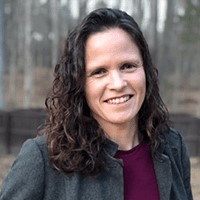
Tonya Van Deinse, PhD, MSW
Tonya Van Deinse, PhD, MSW, is a clinical associate professor at the UNC-Chapel Hill School of Social Work and a mental health services researcher focused on the development, implementation, and evaluation of interventions that span mental health and criminal justice systems. Dr. Van Deinse’s current research interests focus on the implementation of specialty mental health probation approaches, integrated re-entry programming for adults with co-occurring mental health conditions and substance use disorders exiting county detention, and enhancing inter-organizational coordination and collaboration between behavioral health and criminal justice systems.

Joshua Barocas, MD
Dr. Barocas, MD, is an Associate Professor of Medicine at the University of Colorado School of Medicine. He leads an interdisciplinary research program that is specifically aimed at the goal of improving health outcomes for patients with infectious diseases including HIV and HCV, substance use disorders, and other vulnerable populations. His research, which uses clinical epidemiology, health economics, simulation modeling, and cost-effectiveness, informs clinicaldecision making and health policy. He has been funded by NIDA in the form of a K01, a DP2 award, and R01s as well as multiple grants for which he is a Co-Investigator. He serves as the Director of the Social Determinants of Health and Disparities Modeling Unit and is the previous recipient of the Charles A. King Trust Research Award, and the prestigious AAMC Herbert W. Nickens Faculty Fellowship Award, which recognizes a junior faculty member who demonstrates leadership potential in addressing inequity in health care. His work has been published in leading journals such as NEJM, Lancet Public Health, , AJPH, Addiction, Clinical Infectious Diseases, and Annals of Internal Medicine. His work has been widely cited in the media, including the Boston Globe, U.S. News and World Report, and NPR. More information about his research program can be found at www.themissingus.org.

Hermione Hurley, MD
Hermione Hurley, MD, is an Infectious Diseases and Addiction Medicine physician at Denver Health/University of Colorado. Her interest in combining care delivery for substance use and infections began after observing poor outcomes for justice-involved individuals. Her current position is supported by Psychiatry and Medicine departments, enabling her to treat viral diseases in methadone clinics and substance use disorders in the Infectious Disease clinic for people living with HIV.
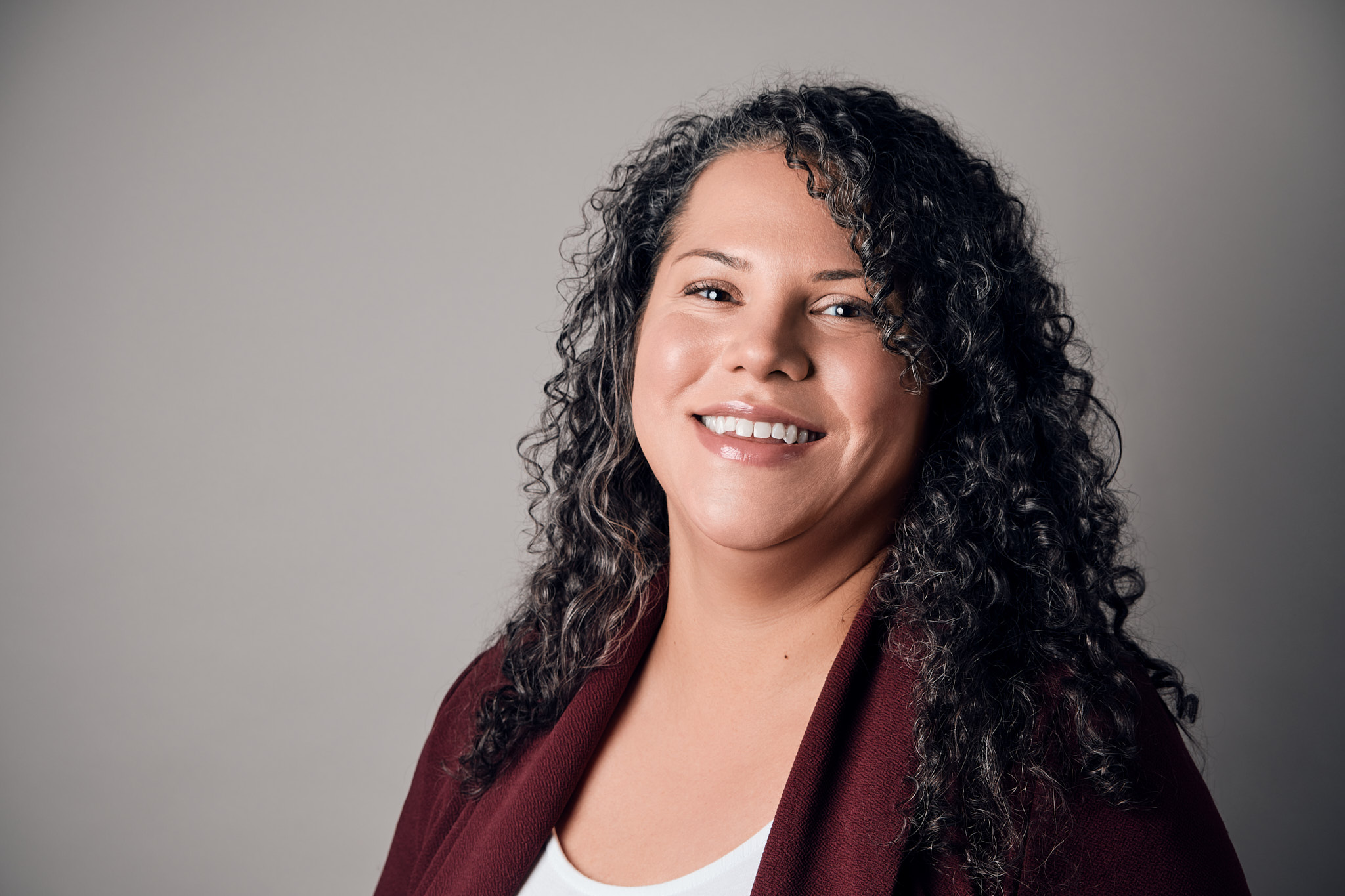
Johanna Elumn, PhD, MSW
Johanna Elumn, MSW, PhD, is an Assistant Professor at the Yale School of Medicine in General Internal Medicine, Director of the NYKS Justice lab, core faculty of the SEICHE Center for Health and Justice, and the evaluation lead of the Office of Diversity, Equity, and Inclusion in Internal Medicine at the Yale School of Medicine. She is a social worker and researcher who brings her personal, clinical, and research experience to studying the intersection of incarceration, sleep, and health disparities using community-engaged research (CEnR) approaches and mixed methods. She has received funding from NHLBI, NIDA, NIMH, NIMHD, and NCATS. Her current projects focus on the sleep health of people impacted by incarceration and related health outcomes. In addition, she has expertise in leading interdisciplinary teams and training community members and people with a history of incarceration to work as part of research teams. Prior to transitioning to research, she spent ten years leading the social work unit and community outreach efforts at a community-based public defender office. Her work there focused on designing, implementing, and evaluating services for those involved in the criminal legal system at all stages of their contact, from pre-arrest to reentry.

Kathryn Nowotny, PhD
Kathryn Nowotny, PhD, is an Assistant Professor of Sociology at the University of Miami. Her research explores how mass incarceration contributes to health inequalities, the intersections of crime and health behaviors, and the contextual influences on health more broadly for vulnerable populations. These complementary “streams” of the research center on understanding the health of disadvantaged and underserved populations using both quantitative and qualitative methods. To this end, she uses a variety of theoretical and methodological approaches at the intersection of criminology, medical sociology, and social demography.

Natasha Rybak, MD
Natasha Rybak, MD, is an Assistant Professor of Medicine within the Division of Infectious Disease with a research concentration in pediatric HIV/TB and MDR-TB management. Over the past nine years, she has been working with collaborators in Ukraine and the U.S. to build the Brown University Ukraine Collaboration, which focuses on strengthening research capacity in the areas of TB and HIV. Dr. Rybak also maintains an HIV clinic at The Miriam Hospital Immunology Center that focuses on HIV care for young adults with perinatal HIV infection. She has also recently started a non-tuberculosis mycobacteria clinic that is focused on treating complicated non-tuberculosis infections including skin and soft tissue infections, and post-surgical complications from mycobacteria.
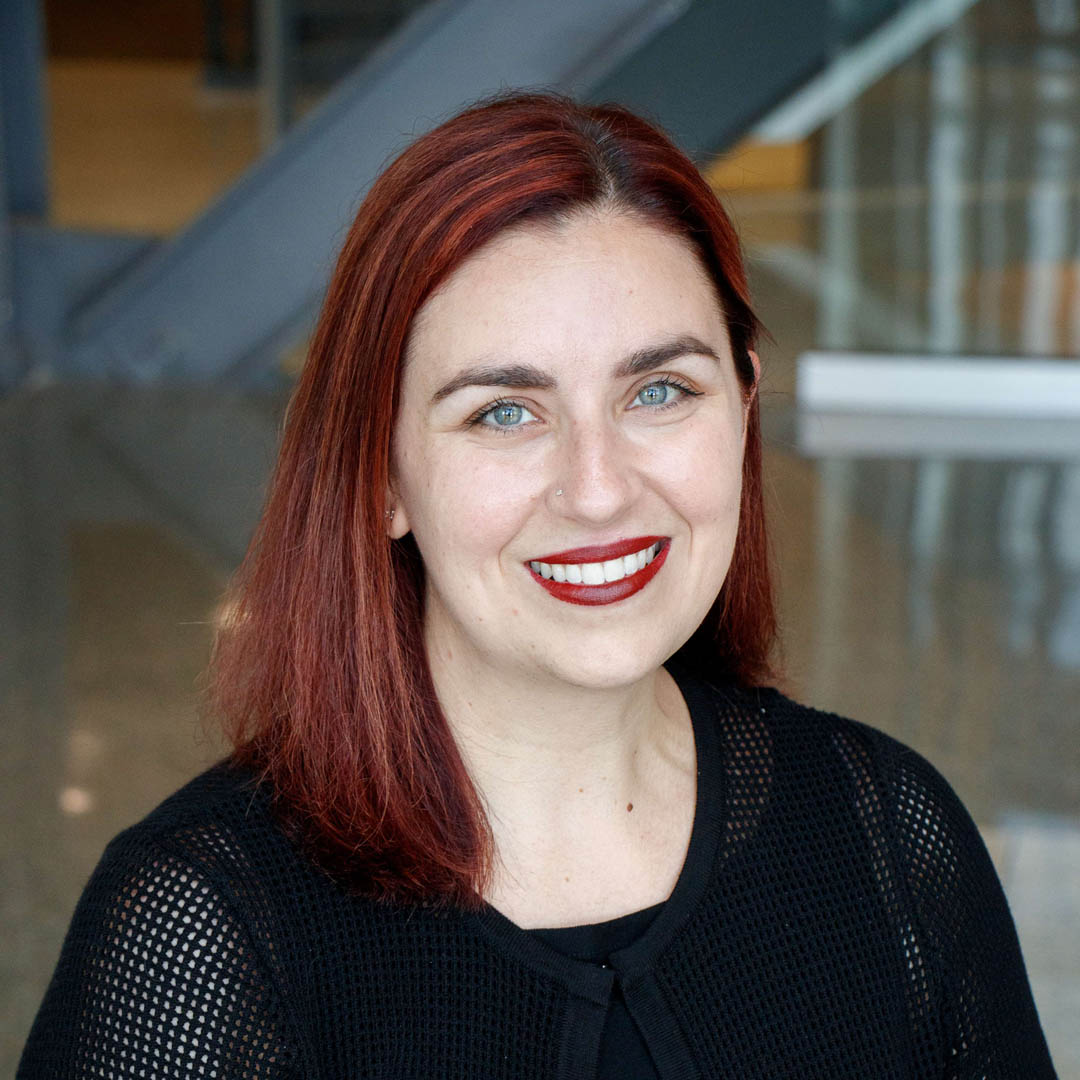
Melissa Zielinski, PhD
Melissa Zielinski, PhD, is a tenured Associate Professor in the Department of Psychiatry and Behavioral Sciences at the University of Arkansas for Medical Sciences (UAMS) and a clinical psychologist by training. She directs UAMS' Health and the Legal System (HEALS) Laboratory, a diverse group of scholars and clinical trainees focused on the intersections among addiction, traumatic stress, and criminal legal system involvement and the implementation and effectiveness of interventions to address associated needs. She also serves as Co-Director of UAMS' NIDA-funded T32 "Translational Training in Addiction" program. She has been PI or Co-I on numerous grants that focus on incarcerated or justice-involved people including federally funded grants from 4 NIH institutes (NIDA, NICHD, NIMHD, NCATS), PCORI, and a private foundation.

Lauren Brinkley-Rubinstein, PhD
Lauren Brinkley-Rubinstein, PhD, is an Assistant Professor of Social Medicine at UNC-Chapel Hill, as well as a core faculty member in the UNC Center for Health Equity Research. She received her Ph.D. in Community, Research, and Action at Vanderbilt University and completed a NIDA T32 postdoctoral fellowship at the Brown University Warren Alpert Medical School. Dr. Brinkley-Rubinstein’s research focuses on how incarceration can impact health outcomes. She is the PI of a NIMHD R01 cohort study relevant to pre-exposure prophylaxis among people on probation and parole, the MPI of a NIDA Justice Community Opioid Innovation Network Clinical Research Center grant that will include the implementation and evaluation of opioid overdose prevention programs in community supervision settings in Rhode Island, Philadelphia, and Brunswick County North Carolina, and the MPI of a grant investigating COVID-19 testing and prevention in correctional facilities.

Laneshia Conner, PhD, MSW
Laneshia Conner, PhD, MSW is an Assistant Professor in the School of Social Work at Spalding University in Louisville, KY. As an academician, since 2014, she has focused her research on HIV prevention and stigma reduction among older adults including justice-involved women. She is also published and focuses on scholarship around adult learning principles, operationalizing best practices for the diverse needs of adult learners in higher education. As a practitioner, she has work experience in child welfare as well as geriatric case management, serving both communities over a span of 15 years.

Emily Dauria, PhD
Emily Dauria, PhD, is an Assistant Professor of Behavioral and Community Health Sciences at the University of Pittsburgh, and the Director of the Just Health Collaborative. Broadly, the goal of Dr. Dauria's work is to end health inequities experienced among individuals surveilled or impacted by the criminal legal system. The Just Health Collaborative oversees a portfolio of federally funded research that leverages multiple research methods and community-engaged strategies to meet this goal.

Kimberly Dong, DrPH
Kimberly Dong, DrPH is an Assistant Professor of Public Health and Community Medicine and Associate Director of the Online MPH Program at Tufts University School of Medicine. Her research focuses on healthcare access, food insecurity, and dietary quality as determinants of health, particularly with people living with HIV and individuals involved with the criminal legal system. Current projects explore health disparities, causes and consequences of food insecurity, and healthcare access among adults under probation supervision and evaluating the transition of healthcare from jail to the community for people with HIV. Additional areas of interest include addressing systems to improve healthcare and food access and nutritional consequences of substance and alcohol use, both domestically and globally.

Amanda Noska, MD
Amanda Noska, MD, is an Internal Medicine Physician and Infectious Diseases Specialist at the University of Minnesota. Her research interests include barriers to care among incarcerated populations, people who inject drugs, and women with HIV and hepatitis C.

Alysse Wurcel, MD, MS
Alysse G. Wurcel, MD, MS, is an Assistant Professor in the Division of Geographic Medicine and Infectious Diseases (ID) at Tufts Medical Center in Boston, Massachusetts. She did her internal medicine residency at Massachusetts General Hospital and ID fellowship at Columbia-Presbyterian Hospital and Tufts Medical Center. In addition to her work as an inpatient ID doctor, Dr. Wurcel has an outpatient clinic where she specializes in HIV, HCV, and substance use disorder care. Dr. Wurcel provides HIV and HCV care at six county jails in eastern MA. She is interested in the barriers and facilitators to care for people with or at risk for HIV and HCV, especially people who use drugs and people who are incarcerated. She is an international expert on injection-drug use-associated infections, including bacterial endocarditis. Dr. Wurcel has a K08 grant from the Agency of Healthcare Research and Quality to improve HCV testing access in jails. In April 2020, she started working as the COVID-19 Infectious Diseases Consultant for the Massachusetts Sheriffs Association, overseeing COVID-19 prevention and mitigation in the Massachusetts jails. She has received funding to investigate health disparities in access to COVID-19 testing for healthcare workers.